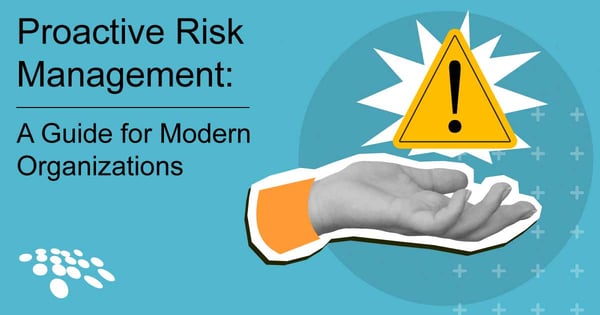
Imagine you're at the park when - suddenly - a baseball is flying at your face at full speed. Do you wait for it to hit your face and then deal with the consequences? Well, of course not. Instead, you instinctively put your hand up as soon as you see the object meteoring toward you. But how does this apply to contract management?
Introduction to Proactive Risk Management
Much like a baseball can damage an unwitting recipient's facial structure, contract risk variables can lead to financial losses, a damaged reputation, and other adverse consequences. Still, many organizations rely too heavily on reactive risk management, only responding once the metaphorical baseball has hit their metaphorical face. In 2026, a fast-moving business environment, increased stringency of regulations, and AI-powered operations make this reactive approach too slow and too costly. As such, there has been a shift toward proactive risk management, enabling organizations to anticipate, prevent, and mitigate issues before they escalate.
This article will break down proactive and effective risk management - along with key steps and tools to manage risks more proactively.
Reactive vs. Proactive Risk Management
Reactive risk management involves responding to incidents after they occur. This reactive approach to risk management often leads to higher costs, delays, bottlenecks, and reputational damage. Conversely, a proactive risk management approach supports the early identification of potential threats as well as the prompt assessment of their impact and the commencement of preventative measures.
Proactive risk management requires heightened visibility, more reliable data, and cross-departmental collaboration. Organizations can evolve seamlessly from reactive to proactive maturity with the right steps.
Why Proactive Risk Management Matters
Benefits of proactive risk management include:
- fewer interruptions.
- lower operation costs.
- improved compliance.
- faster decision-making.
Proactive risk also helps organizations drive competitive advantage, as it enables them to move faster and with greater confidence. Modern organizations are expected to align risk practices with the overall business strategy, rather than operate in a silo. In this way, proactive risk management strengthens risk management processes across the enterprise.
How to Identify Potential Risks Early
Implementing a proactive risk management strategy begins with visibility and intelligent tools that enable organizations to identify risks before they become costly problems. Modern enterprise risk management goes beyond spreadsheets - instead leveraging AI-driven insights and automation to make preventive risk measures practical and scalable.
CobbleStone Software empowers risk management organizations with advanced, agentic AI capabilities designed to surface potential risks early and accurately:
-
Agentic AI-Powered Sentiment Analysis: Detect tone and language in contract negotiations to flag clauses that may indicate unfavorable terms or compliance concerns.
-
Auto-Redlining & High-Risk Findings: Automatically identify and redline risky clauses (those that differ from standardized, approved language), accelerating review cycles while reducing human error.
-
AI-Powered Chatbot: Provide quick answers to compliance and regulatory questions, ensuring teams stay informed and aligned.
-
OFAC Compliance Screening for Vendors: Screen vendors against government watchlists to prevent costly violations and reputational damage.
-
Compliance & Regulation Alerts: Stay ahead of key dates and regulatory changes with automated alerts that support preventive risk measures.
-
Risk Assessment Matrix: Visualize contract risk on a colorful and user-friendly matrix, enabling stakeholders to prioritize mitigation efforts effectively.
-
Risk Usage Score: Hold teams accountable by tracking their consistent application of risk assessment tools throughout the contract lifecycle.
By combining these features, organizations can identify potential risks early, strengthen compliance, and align risk practices with business objectives. This approach transforms risk management from reactive firefighting into a strategic advantage—helping enterprises move faster, smarter, and with confidence.
Want to learn about how to get started with all of these tools and many more for better risk management and contract lifecycle management? Book a free demo of CobbleStone® today!

*Legal Disclaimer: This article is not legal advice. The content of this article is for general informational and educational purposes only. The information on this website may not present the most up-to-date legal information. Readers should contact their attorney for legal advice regarding any particular legal matter.